Choosing a packaging design agency is not just a matter of finding attractive colors. The right partner must turn a product’s promise into a package people can recognize, understand, and use. Think of a jar label that stays readable under store lighting, or a carton that arrives without crushed corners. Small details count.
Consumer expectations are shifting, too. PwC’s 2024 Voice of the Consumer Survey found that 46% of respondents said they were buying more sustainable products. The survey also reported that consumers were willing to pay an average 9.7% more for sustainably produced or sourced goods. These findings do not mean every buyer chooses a package for sustainability. They do suggest that material choices and clear claims deserve careful attention. A design can look convincing on screen and still disappoint in production. That is worth remembering.
Design authority Paul Rand famously said, “Design is the silent ambassador of your brand.” For packaging, that ambassador has only a few seconds to make an impression. A capable packaging design agency should bring more than polished mockups: it should understand structure, print processes, material constraints, and the people handling the finished product. This guide explores seven practical ways to evaluate that fit, from relevant portfolio work to communication and production support. Ask specific questions. Check the details. And leave room to rethink your first choice.

Before contacting a packaging design agency, decide what the packaging must accomplish. Is the priority shelf visibility, easier storage, product protection, or clearer instructions? Choose one primary goal and two supporting goals. Start with the shelf. A design that looks striking on a screen may disappear under store lighting, so note where and how customers will see it. Define success with practical measures, such as fewer damaged units or more legible product information.
Tip: Prepare a one-page brief with the product’s dimensions, weight, materials, sales channels, and expected order volume. Include photos of the current package and the shelf or shipping box it must fit. Specify required information, preferred finishes, and any production limits you already know. Details save time. If a requirement is uncertain, mark it as a question rather than presenting it as settled.
Tip: Separate must-haves from preferences. A tight launch date, a fixed package size, or compatibility with existing equipment may be non-negotiable; a particular color or finish may be flexible. Share a realistic budget range and identify who approves the work. Leave room for testing. A prototype can reveal that a neat opening tab tears too easily, or that small text is hard to read. Some assumptions will be wrong; revising them early is usually less costly than revising finished packaging.
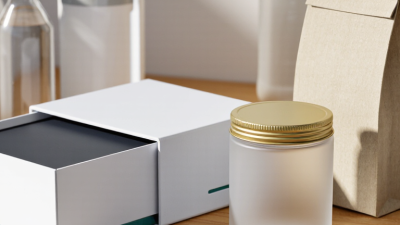
A portfolio should show more than attractive boxes. Look for work that solves a clear shelf problem: readable product information, visible differentiation, and packaging that fits the product securely. Ask what the agency did, what changed after testing, and how the final design performed in real retail conditions. A polished mock-up can still hide a weak shelf read.
Industry experience matters, but relevant experience matters more. An agency familiar with your format can anticipate practical details, such as label curvature, print limits, and how colors shift under store lighting. McKinsey’s 2023 survey of more than 11,000 consumers across 11 countries reported a median stated willingness to pay 10 percent more for sustainable packaging. That is stated intent, not proof of actual purchases. Ask agencies how they tested material and design choices with consumers, and request evidence behind any performance claims. I would not treat a beautiful render as proof. Check whether the portfolio includes comparable products, production-ready files, and examples of revisions made after feedback. If those details are missing, the work may look stronger than the process behind it.
| Assessment Area | What to Look For | Evidence to Request | Why It Matters |
|---|---|---|---|
| 1. Relevant category experience | Work for products with comparable use, retail context, or customer expectations. | Case studies that explain the product category, design challenge, and final outcome. | Category familiarity can help an agency account for common shopper needs and packaging conventions. |
| 2. Range of packaging formats | Examples across relevant formats, such as cartons, labels, flexible packs, bottles, or shipping packaging. | Images or mock-ups showing the design on the actual format, not only as a flat graphic. | Packaging design must work with the dimensions, materials, and production constraints of the chosen format. |
| 3. Shelf and online visibility | Designs shown at realistic viewing sizes and, where relevant, as product images on digital storefronts. | Shelf simulations, thumbnail views, or documented user-testing results, if available. | Packaging may need to communicate clearly both in a physical retail setting and on small screens. |
| 4. Information hierarchy and legibility | Clear prioritization of product identity, key benefits, required information, and supporting details. | Readable, close-up artwork or printed samples, including views of small text and label panels. | A strong visual hierarchy helps people find important information; mandatory labeling rules depend on product and market. |
| 5. Production-ready execution | Evidence that designs were prepared for real materials, printing processes, dielines, and finishing methods. | An overview of prepress coordination, proofing, supplier collaboration, and revision handling. | Artwork must be adapted to production specifications to help avoid avoidable print or assembly issues. |
| 6. Portfolio depth and consistency | More than polished hero images: look for the brief, design rationale, iterations, and final applications. | A walkthrough of selected projects, including the agency’s role and which deliverables it completed. | Context helps distinguish the agency’s contribution from work completed by other teams or partners. |
| 7. Results and learning | Specific, substantiated outcomes or lessons connected to the packaging work. | Clarification of the measurement method, time period, and the agency’s role; ask for qualitative feedback when sales data is unavailable. | Transparent evidence makes it easier to judge whether the work addressed the original business or user need. |
Evaluation note: Compare agencies using the same brief and evidence requests. Treat unverified performance claims as claims, not established results.
A strong packaging design agency should explain how a concept survives contact with production. Ask to see work beyond polished mockups: print-ready files, material choices, and examples of final packages. A beautiful screen image is only a start. Request details about dielines, color matching, finishes, and how the team handles changes after a printer flags a problem. Those answers reveal whether designers understand the pressroom, not just the presentation.
Production experience can prevent costly surprises. Ask who checks proofs, confirms dimensions, and coordinates with suppliers. If your package uses several components, find out how the agency tests their fit and consistency. A sample or production record can be more useful than another portfolio image. Still, one successful project does not prove every process is reliable. Ask what went wrong on a past job, and what the team changed afterward.
Regulatory expertise deserves the same scrutiny as design skill. Ask whether the agency reviews required label information for your target markets and product category, and how it documents changes. Request a clear explanation of its role: a design partner may support reviews, but should not promise universal compliance. Requirements can change, and details such as text size or placement may matter. If answers sound vague, seek qualified review before approving artwork. A little doubt is useful. It prompts better questions.
Suggested evaluation priorities for reviewing an agency’s design, production, and regulatory expertise.
Use these suggested weights as a starting point, then adjust them to fit your product, market, and packaging requirements. They are an evaluation framework, not industry survey results.
Choosing a packaging design agency is less about approving a polished mock-up and more about how decisions get made. McKinsey’s 2023 report, Sustainability in packaging: Inside the minds of global consumers, surveyed more than 11,000 consumers across 11 countries. That scale is a reminder: packaging preferences vary by market. Ask how the agency gathers audience insight, shares research, and handles feedback when your team disagrees. A friendly kickoff is not enough. You need clear owners for copy, artwork, and final approval.
Tips: Compare collaboration by requesting a sample project schedule and a named day-to-day contact. Check whether feedback rounds, print-ready files, and supplier coordination are included. Ask for a timeline with review dates and time buffers for revisions. A beautiful concept can still miss a production deadline. Small delays add up.
For budget transparency, request an itemized estimate covering strategy, design, revisions, and production support. Ask what triggers extra fees, and get changes documented before work continues. If estimates rely on assumptions, ask to see them. One awkward point: a low initial quote may exclude useful work. Compare the full scope, not just the first number, and leave room for unexpected adjustments.
A packaging design agency should make communication feel clear, not performative. Notice how quickly the team answers practical questions, explains trade-offs, and records decisions. Ask who will manage your project and how often you will review work. A weekly call can help, but a useful written update matters too. Check that feedback leads to visible changes, not just polite acknowledgment. Small delays happen. Repeated surprises are different.
Look beyond polished portfolio images when evaluating results. Ask what problem a project addressed and how its success was measured. Useful evidence might include fewer production errors, clearer product information, or stronger recognition in customer research. Request examples of prototypes, print proofs, and final files. These details show whether an agency understands packaging beyond the screen. Still, one successful case study cannot guarantee the same outcome for your product. Context matters.
Long-term fit depends on what happens after approval. Discuss how the team handles product changes, new sizes, supplier specifications, and future design updates. Confirm who owns the working files and whether your internal team can use them easily. Ask how color, materials, and legibility are checked before production. A beautiful concept can become frustrating if no one plans the handoff. I would also ask about a project that missed expectations and what the agency learned. That answer may reveal more than another perfect presentation.