Why Hire a Packaging Branding Agency for Global Sourcing?

Global sourcing can reduce costs, but it can also expose weak packaging decisions. Different suppliers may interpret one design file in different ways. A color can shift between factories. A recycled board may feel thinner than expected. These details affect trust before customers read a single word. A packaging branding agency helps connect brand strategy, structural design, production standards, and market expectations. It can translate a visual identity into clear dielines, material specifications, print instructions, and quality checkpoints. That connection matters when suppliers operate across languages, time zones, and manufacturing cultures.

Marty Neumeier, a respected brand strategist and author, said, “A brand is not what you say it is. It’s what they say it is.” His point is especially relevant to globally sourced packaging. Customers judge the box, label, seal, and unboxing experience together. An experienced agency can test samples, compare color proofs, review typography, and identify risks before mass production. It can also help brands consider local language, accessibility, recycling guidance, and applicable packaging requirements without making careless legal promises. Nothing is automatic.

The process still needs honest reflection. A beautiful concept may be difficult to manufacture. A cheaper material may weaken shelf impact or protection. An agency cannot replace supplier accountability. However, it can create a shared standard and document the reasoning behind each choice. For companies sourcing internationally, that disciplined bridge can protect consistency, credibility, and long-term brand value.

Why Hire a Packaging Branding Agency for Global Sourcing?

What Is a Packaging Branding Agency in Global Sourcing?

A packaging branding agency in global sourcing connects brand strategy with practical production. It helps companies turn a product idea into packaging that suppliers can manufacture consistently across markets. Its work may include structural design, dielines, materials, color standards, artwork control, and supplier communication. Experienced teams review packaging samples, inspect print details, and check whether cartons can survive humidity, stacking, and long-distance transport.

The agency also coordinates between designers, procurement teams, factories, and logistics partners. It can compare material options, clarify minimum order quantities, and identify production risks before purchase orders are released. Clear specifications reduce confusion between different suppliers. However, no process is perfect. A first proof may look accurate under studio lighting but appear different in a factory or warehouse. Reliable agencies use physical samples, documented approvals, and repeatable quality checks instead of trusting digital images alone.

Tips: Request a complete packaging specification before sourcing. Include dimensions, board grade, finishes, tolerances, and approved color references. Ask how the agency records revisions and handles sample defects. Review packaging performance after shipping, not only before production. Small problems matter. A loose insert, weak corner, or unclear recycling mark can create delays and customer complaints. Good agencies also explain their limitations, question unrealistic timelines, and recommend adjustments when the original concept is not suitable for global production.

Why Hire a Packaging Branding Agency for Global Sourcing? — What Is a Packaging Branding Agency in Global Sourcing?

Data Dimension What the Agency Does Typical Deliverables Global Sourcing Value Relevant Fact or Framework
Definition A packaging branding agency combines brand strategy, packaging design, structural development, supplier coordination, and production support. Packaging architecture, visual identity guidance, artwork standards, specifications, and supplier briefs. Connects creative decisions with manufacturing, compliance, cost, and market-entry requirements. “Packaging branding agency” is a service description rather than a universally regulated legal category.
Packaging System Scope Manages primary, secondary, and tertiary packaging as one coordinated system. Component maps, pack hierarchy, dielines, material specifications, and pack-out instructions. Reduces inconsistencies between the product container, retail pack, shipping case, and transport configuration. Packaging functions include containment, protection, handling, delivery, presentation, and information communication.
Supplier Qualification Pre-screens manufacturers according to material capability, equipment, quality systems, capacity, and export experience. Supplier questionnaires, capability matrices, sample reviews, audit criteria, and approved-supplier lists. Improves supplier comparability and lowers the risk of selecting a factory that cannot reproduce the approved design. Supplier qualification should evaluate technical capability and quality controls, not only quoted price.
Design for Manufacturing Adapts the brand concept to available production processes, tolerances, tooling, decoration methods, and material limits. Production-ready artwork, engineering drawings, tolerance notes, prototypes, and pre-production samples. Helps prevent late changes, failed samples, tooling rework, and avoidable production delays. Design for manufacturing is a recognized product-development practice that considers production constraints during design.
Regulatory Readiness Coordinates packaging information and material decisions with the regulatory requirements of each target market. Compliance checklists, claims review, labeling layouts, declarations, and market-specific artwork versions. Reduces the risk that packaging approved in one market is unsuitable for another market. ISO 18601–ISO 18606 provide international standards covering packaging and the environment, including optimization, reuse, recycling, and energy recovery.
Localization Adapts language, symbols, dimensions, mandatory information, cultural references, and retail requirements by market. Localized artwork files, translation workflows, multilingual copy decks, and market approval records. Supports one global brand system while allowing legally and culturally appropriate local execution. Packaging information requirements can differ by jurisdiction, product category, language, and sales channel.
Cost Engineering Compares material, decoration, tooling, labor, packaging assembly, freight, and minimum-order implications. Costed bills of materials, quotation comparison sheets, value-engineering options, and landed-cost models. Creates a broader sourcing decision than comparing the factory unit price alone. Landed cost can include product cost, packaging, tooling, inspection, transport, duties, insurance, and other import-related charges.
Quality Control Defines measurable acceptance criteria before production and coordinates sample approval and inspection procedures. Golden samples, color standards, inspection checklists, defect classifications, and corrective-action records. Turns subjective brand expectations into repeatable production requirements across suppliers and countries. Quality control is more effective when specifications and acceptance criteria are agreed before mass production.
Color and Artwork Consistency Controls color references, print processes, substrates, finishing, barcode placement, and artwork versioning. Color targets, print proofs, artwork-release logs, version-control rules, and approval records. Maintains a consistent visual identity when different suppliers use different printing equipment and materials. Printed color can vary because of substrate, ink, finishing, press conditions, and viewing environment.
Logistics Compatibility Reviews pack dimensions, palletization, carton strength, stacking, protection, and shipping configuration. Pack-out diagrams, carton specifications, pallet patterns, shipping tests, and transport-risk assessments. Helps reduce damage, unused transport space, handling problems, and unexpected freight costs. Incoterms® 2020 define standardized responsibilities, costs, and risks between buyers and sellers in international trade.
Sustainability Assessment Evaluates material reduction, recycled content, reuse potential, recyclability, labeling, and end-of-life considerations. Material comparison tables, packaging optimization studies, recyclability reviews, and sustainability claim checks. Supports evidence-based environmental decisions instead of relying only on marketing language. ISO 18602 addresses packaging system optimization; environmental claims should be supported by relevant evidence and local rules.
Project Governance Coordinates brand, design, engineering, procurement, suppliers, quality teams, logistics, and local-market stakeholders. Critical-path schedules, responsibility matrices, approval gates, risk registers, and change-control logs. Creates a single workflow for decisions that would otherwise be split across multiple teams and time zones. Formal change control helps prevent unapproved artwork, materials, specifications, or suppliers from entering production.
Best-Fit Use Case Provides the greatest value when packaging must be sourced across borders while preserving brand consistency and compliance. End-to-end sourcing program, supplier network, packaging standards, launch support, and ongoing improvement plan. Combines creative control with sourcing discipline for multi-market packaging programs. Suitable for projects involving multiple markets, suppliers, packaging formats, languages, or regulatory environments.

Note: Specific packaging requirements depend on the product category, destination market, packaging materials, transport conditions, and applicable local regulations. The standards and trade framework referenced above should be verified for the relevant project before production.

How Agencies Align Packaging With International Market Requirements

Hiring a packaging branding agency for global sourcing means designing for real markets, not only attractive shelves.

International packaging must match local languages, recycling systems, labeling rules, transport conditions, and retail habits. An experienced agency can map these requirements before suppliers receive final artwork.

According to the 2023 NielsenIQ sustainability report, 78% of surveyed consumers considered environmental sustainability important. Expectations are rising.

The World Bank’s What a Waste 2.0 report projects global waste could reach 3.4 billion tonnes annually by 2050. Agencies can respond with lighter structures, clearer material choices, and packaging formats suited to local recovery systems.

They can also test color meaning, opening behavior, and label readability across markets. Small details matter. A glossy finish may look premium, yet it can complicate recycling in one destination.

During supplier coordination, agencies connect brand intent with production evidence. They review dielines, verify translated warnings, check print tolerances, and compare samples from different factories.

They may arrange compression, drop, moisture, and transit testing before shipment. These steps reduce costly rework and protect product integrity across long routes.

Reports from Smithers continue to identify sustainability, convenience, and e-commerce protection as major packaging market forces.

However, an agency is not infallible. A technically correct translation can still sound unnatural. A recyclable material may lack local collection access. Continuous market feedback remains necessary, especially when regulations and consumer expectations change.

How Packaging Branding Agencies Manage Suppliers and Production

When packaging moves across borders, supplier control becomes a daily management task. A packaging branding agency connects creative goals with factory capabilities. Its team reviews dielines, material grades, color references, and production limits before requesting quotes. Details matter. They also compare samples from several suppliers, checking texture, folding accuracy, print quality, and packaging strength. This practical experience helps prevent attractive designs from failing during manufacturing.

Agencies build supplier shortlists through audits, production records, equipment checks, and clear communication. They confirm capacity, lead times, quality systems, and responsible sourcing practices. Local teams may visit facilities, while project managers keep approvals documented. Before mass production, they coordinate prototypes and pilot runs. A small pilot can reveal weak glue, uneven color, or inaccurate dimensions. Small errors spread quickly.

During production, the agency monitors approved specifications and inspection points. Independent checks may test dimensions, sealing strength, surface defects, and carton counts. If ink density changes, the agency records the issue and negotiates corrective action with the supplier. It also tracks revised samples, shipping documents, and delivery schedules. Still, no process is perfect. A missed update or rushed approval can create avoidable costs. Experienced agencies admit these risks and improve the workflow after each production cycle.

Why Hire a Packaging Branding Agency for Global Sourcing?

A packaging branding agency helps coordinate suppliers, production schedules, quality checks, compliance documents, and international shipments. The World Bank Logistics Performance Index 2023 benchmark below highlights the operational areas that require close supplier and production management.

How to read this chart: Lower logistics performance in customs, infrastructure, shipment handling, and tracking can increase packaging lead-time and compliance risks. An experienced agency can reduce these risks by aligning suppliers, production milestones, inspections, and shipping documentation.

Source: World Bank, Logistics Performance Index 2023. Scores are measured on a 1–5 scale.

How Strategic Packaging Branding Reduces Global Sourcing Risks

Why Hire a Packaging Branding Agency for Global Sourcing?

Strategic packaging branding can reduce risks before products leave the factory. A specialist aligns artwork, materials, dimensions, symbols, and instructions across suppliers. This prevents small mistakes, such as incorrect color codes or unreadable handling icons. These errors can cause rejected shipments, repacking costs, and delayed launches.

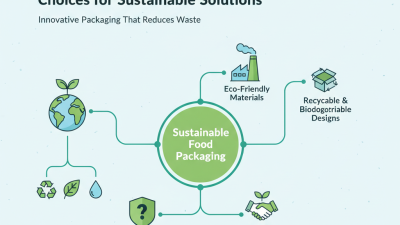
McKinsey Global Institute’s 2020 report found that supply chain disruptions lasting one month or longer occur every 3.7 years, on average. The report also estimated that such events could reduce annual profits by 45% over a decade. Packaging cannot remove every disruption. It can, however, improve supplier consistency and speed up decisions. The OECD’s Global Plastics Outlook (2022) reports that packaging creates about 40% of global plastic waste. Better branding strategy should therefore include material efficiency, not only visual appeal. A lighter package may reduce costs, but it can fail during humid transport. That trade-off deserves testing.

Tips: Build one clear packaging specification. Include dielines, print tolerances, translation rules, material targets, and approval checkpoints. Request physical samples from each major supplier. Digital proofs can hide real problems. Record every change in a shared revision log. It feels slower at first. It often prevents expensive confusion later. A packaging branding agency can also test stacking, moisture exposure, barcode readability, and shelf presentation before mass production begins.

How to Evaluate the Right Packaging Branding Agency for Your Business

Why Hire a Packaging Branding Agency for Global Sourcing?

How to Evaluate the Right Packaging Branding Agency for Your Business

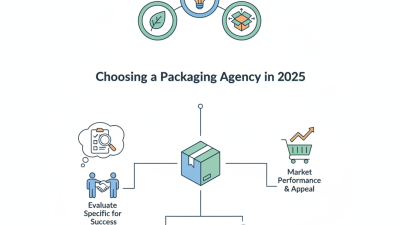
Choosing a packaging branding agency requires more than reviewing attractive designs. The agency should understand sourcing costs, material availability, printing limits, and regional expectations. In global projects, one impressive mockup can hide serious production problems. Ask for evidence from similar packaging categories. Request supplier-ready files, testing records, and examples of successful production transfers.

A capable agency should connect brand strategy with measurable packaging performance. PwC’s 2024 Voice of the Consumer Survey found that consumers across 26 countries were willing to pay an average 9.7% premium for sustainably produced goods. However, sustainability claims need practical proof. Ask how the agency reduces material use, improves recyclability, and verifies supplier information. McKinsey research also shows that consumers value packaging sustainability, but preferences differ by market. Local insight matters.

Tips: Check the agency’s process before its portfolio. Speak with its production partners. Review color standards, dielines, prototypes, and quality-control procedures. Confirm who owns the final artwork. Ask how changes are documented across time zones. A short trial project can expose communication gaps early. I once assumed a polished presentation meant operational strength. It did not. Your evaluation should include uncomfortable questions about delays, failed samples, and redesign costs. A good agency will answer clearly, even when the answer is imperfect.

Are you ready? Let’s make your brand fresh and amazing.

Get Started