
Why Choose a High Speed Diaper Packing Machine?

Why Choose a High-speed Diaper Packing Machine?

Choosing a High-speed diaper packing machine is not merely a race for higher output. It is a decision about consistency, labor efficiency, product protection, and long-term production stability. In a modern diaper factory, the machine must fold, count, compress, and seal products accurately. Every movement matters. A small timing error can create an open bag, uneven stacks, or unnecessary material waste.

Packaging automation specialist Dr. Jan H. Schut has emphasized, “Speed only creates value when control protects quality.” This principle remains practical on the factory floor. A reliable High-speed diaper packing machine should maintain accurate counting while handling different diaper sizes and package formats. Servo-driven movement, automatic film tracking, sensor monitoring, and fast changeover systems can support this goal. Operators should also receive clear controls and accessible maintenance points. Otherwise, impressive speed may become difficult to manage.

The real advantage appears during long production runs. Stable sealing temperatures reduce weak packaging edges. Precise compression creates cleaner, more compact packs. Automatic fault detection can stop defective bags before they reach shipping. That saves time.

Still, speed is not everything. A faster machine may require higher technical skills, better spare-parts planning, and stricter cleaning routines. Some factories discover this too late. Therefore, buyers should compare actual output, uptime, energy use, service support, and product quality under realistic conditions. The best machine is not always the fastest one. It is the one that performs reliably when materials, workers, and production demands change.
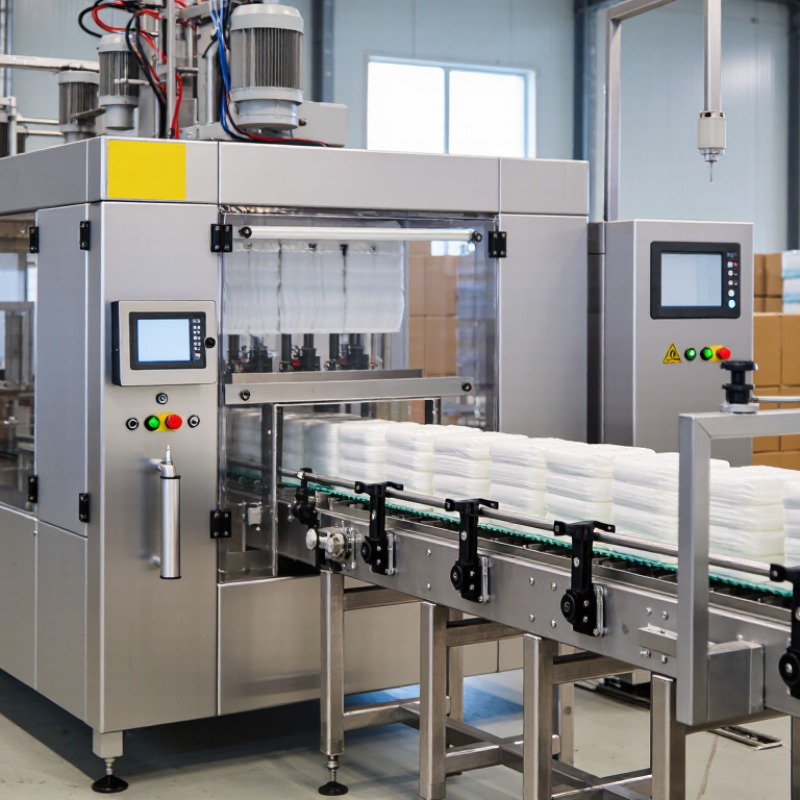
Why Choose a High Speed Diaper Packing Machine?

What Is a High Speed Diaper Packing Machine?

A high speed diaper packing machine is an automated system that counts, arranges, compresses, and seals diapers into retail-ready packages. It connects several steps that workers might otherwise complete separately. Sensors detect product flow, while programmable controls adjust pack quantity and bag dimensions. Some systems also manage feeding, folding, labeling, and discharge.

In a real production line, speed means more than a fast motor. The machine must maintain accurate counting when diapers arrive continuously. It should handle different sizes without excessive adjustment time. Cleanable surfaces, guarded moving parts, emergency stops, and clear operating instructions support safer daily use. Experienced operators also watch seal temperature, film tension, and package alignment. Small changes can prevent wrinkled bags or incomplete seals. Speed is not always better. If the machine creates frequent stoppages, its advertised output becomes less meaningful. That point deserves honest review.

Tips: Check actual output during a full shift, not only a short trial. Ask whether changeovers are simple and repeatable. Inspect sealed packages by hand. They should feel firm, neat, and properly closed. Record downtime, material waste, and operator adjustments before choosing equipment. A slightly slower machine may deliver better consistency.

How Does a High Speed Diaper Packing Machine Work?

A high speed diaper packing machine coordinates several actions in seconds. Wrapped diapers enter the infeed conveyor in evenly spaced groups. A counting system checks each quantity before packing begins. This reduces missing or extra products.

The machine then unwinds packaging film and guides it around each group. A forming collar shapes the film into a close-fitting sleeve. Heat seals or ultrasonic tools close the edges, depending on the machine design. A cutting unit separates finished packs at measured intervals. Sensors monitor film tension, product position, and seal temperature. The control system can slow or stop production when values move outside the set range. Operators usually adjust timing, pressure, and conveyor speed for different diaper sizes. Small changes matter. A loose film path may create wrinkles, while excessive pressure can damage soft products. In daily production, no setting remains perfect forever. Dust, humidity, and film variation can affect results, so regular inspection is essential.

Tips: Keep the film roll aligned and remove dust from sensor surfaces. Test several packs after changing size or material. Check seal strength without relying only on appearance. Record adjustment results for later shifts. A fast machine still needs careful human judgment. That part is easy to underestimate.

What Production Benefits Does It Provide?

A high speed diaper packing machine can raise output without expanding the entire production floor. Its value comes from stable feeding, accurate counting, and consistent sealing. When these functions work together, operators spend less time correcting misplaced products. More packs leave the line each hour, while labor is used more efficiently. In practice, the best results appear when machine speed matches diaper quality and packaging material. Speed alone is not the answer.

Faster packing can also reduce product handling and improve order flexibility. Automatic changeover settings may shorten transitions between pack sizes, though real results depend on machine design and operator training. Reliable sensors help detect empty packs, poor alignment, and feeding interruptions. These controls protect production records and reduce avoidable waste. Maintenance access matters too. A fast machine that is difficult to service may lose its advantage during small failures.

Tips: Measure actual output, not the displayed speed. Track rejected packs, changeover time, seal quality, and unplanned stops for several shifts. Keep spare wear parts available and train operators to inspect feeders and sensors daily. Leave room for improvement. Early performance data may reveal that slower settings produce fewer defects and better overall efficiency. That trade-off deserves careful review.

Which Features Improve Efficiency and Product Quality?

A high-speed diaper packing machine improves efficiency only when speed is controlled. Servo-driven feeding, automatic film centering, and synchronized sealing reduce stops caused by product misalignment. The Packaging Machinery Manufacturers Institute identifies labor shortages and flexible production as major drivers of packaging automation. That matters during frequent size changes. A practical machine should record changeover time, film waste, and unplanned downtime. OEE targets are useful, but the 85% “world-class” benchmark cited by Vorne is not realistic for every diaper line. New equipment still needs disciplined operation.

Product quality depends on more than attractive wrapping. Photoelectric sensors can detect missing diapers, incorrect counts, and damaged film before cartons leave the line. Vision inspection adds another control layer, especially around seal wrinkles and print position. According to ISO 2859-1 sampling principles, quality decisions should follow defined inspection levels and acceptance criteria, not guesswork. Batch codes, alarm histories, and rejection records also improve traceability. Small details matter.

Energy and maintenance features deserve attention. Variable-speed motors reduce unnecessary motion, while predictive sensors can identify bearing vibration or temperature changes early. The U.S. Department of Energy reports that compressed-air systems often lose 20% to 30% of their output through leaks and poor control. A packaging line should therefore monitor air pressure continuously. Operators may still miss an alarm during a busy shift. Clear interfaces, guarded access, and simple cleaning routines can prevent that weakness from becoming a quality problem.

How Should Businesses Choose the Right Machine?

Why Choose a High Speed Diaper Packing Machine?

How Should Businesses Choose the Right Machine?

Choosing a high-speed diaper packing machine should begin with production reality, not the advertised speed. Measure daily demand, product sizes, package counts, and available floor space. A machine rated for 800 packs per minute may perform poorly with frequent size changes. Ask for test runs using your actual diapers and packaging film. Watch the seals closely.

Check the machine’s feeding system, counting accuracy, and sensor response. Small errors can create open bags, missing products, or costly rework. Servo-driven controls often support smoother adjustments, but trained operators still matter. Request clear records for output, downtime, maintenance, and rejected packs. Reliable suppliers should explain these figures without vague promises.

Changeover time deserves careful attention. A practical machine should allow quick adjustments for newborn, medium, and larger diaper sizes. Tool-free guides can reduce delays. Easy access to belts, cutters, and sealing units also improves maintenance safety. Consider spare-part availability and technical training before signing an order. A low purchase price can become expensive when one small component stops production.

Do not judge speed alone.

Review noise, energy use, cleaning access, and operator comfort. These details affect daily performance. A trial may reveal unexpected film wrinkles or unstable stacking. That is useful evidence, not failure. Businesses should compare total operating cost over several years, then choose a machine that matches their staff, products, and realistic growth plans.

Are you ready? Let’s make your brand fresh and amazing.

Get Started