
10 Tips for Choosing the Best Carry Out Box

A takeaway meal can look perfect at the counter and arrive soggy, tilted, or cold. The right Carry Out Box helps prevent those problems, but no single design suits every menu. A crisp salad needs room for fresh ingredients and a secure lid. A saucy entrée needs sturdy walls and a closure that stays put during a bumpy ride. Even the walk from kitchen to pickup shelf matters.

For this guide, fictional packaging specialist Jordan Lee offers a practical reminder: “Choose the box for the food’s journey, not just its appearance on the shelf.” That means checking material strength, size, ventilation, leak resistance, stacking, and ease of opening. Small tests can reveal a lot. Place a typical portion inside, close the box, and carry it across the room. Does the lid lift? Does steam collect? Does the meal slide into one corner? These details are easy to miss when choosing from a product photo alone.

The best option balances protection, usability, cost, and presentation. A box that is too large may let food shift; one that is too tight can crush delicate items. And sometimes the first choice is wrong. That is useful feedback, not failure. The following ten tips will help restaurants, caterers, and food businesses compare options with real service conditions in mind—before packaging problems reach the customer.
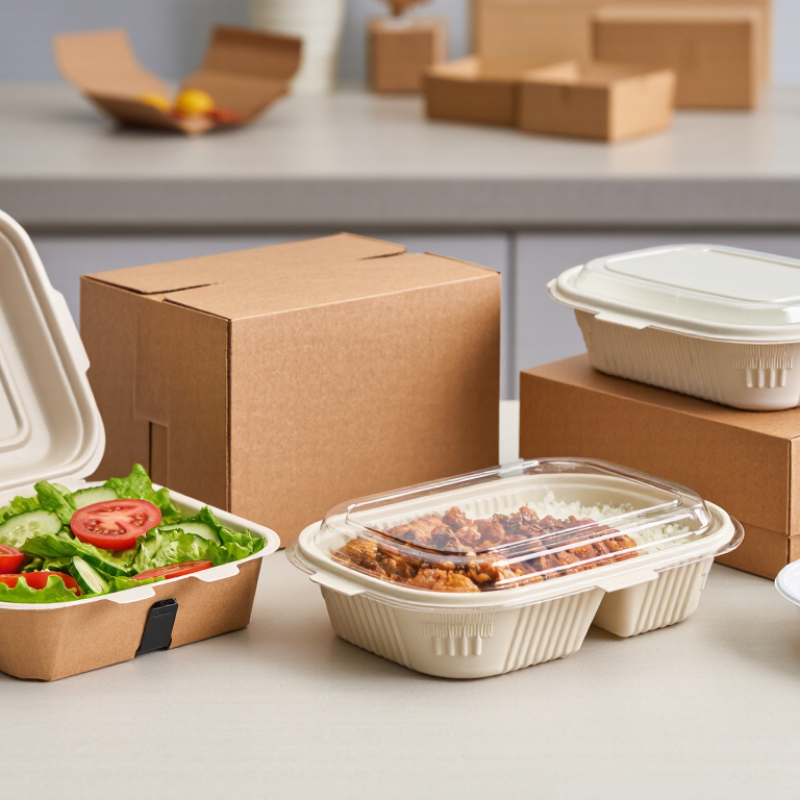
10 Tips for Choosing the Best Carry Out Box

Identify the Food and Service Requirements

Before choosing a carry out box, identify what the food must endure. A saucy curry needs a leak-resistant base and a secure lid; crisp fried food needs ventilation to limit trapped steam. The National Restaurant Association’s 2024 State of the Restaurant Industry report found that 47% of adults pick up restaurant takeout at least weekly. That frequent use makes dependable packaging part of everyday service, not a finishing touch. Match the box to portion size, temperature, travel time, and whether customers will reheat the meal.

Tip: Test the actual menu. Fill a sample box with hot food, tilt it gently, and check for leaks after a realistic delivery interval. For mixed orders, separate wet and crisp items. FDA Food Code guidance sets hot holding at 135°F or above and cold holding at 41°F or below; packaging should support safe handling, but cannot replace temperature control. A detail that is easy to miss: a tight lid may keep sauce in, yet soften a crisp crust.

Tip: Think about the service moment. For counter pickup, stackability and quick closure can reduce delays. For delivery, check that lids stay shut and containers remain stable in a paper bag. Measure a typical serving rather than guessing; oversized boxes let food slide, while cramped ones can crush delicate toppings. I still find that menu tests sometimes reveal awkward fits. That is useful information, not a reason to ignore the test.

10 Tips for Choosing the Best Carry Out Box - Identify the Food and Service Requirements
Tip Food or Service Requirement Suitable Box Type Key Feature to Check Why It Helps
1 Hot, crisp foods such as fried items Vented paperboard or molded-fiber container Small vents that allow steam to escape Reducing trapped steam helps limit sogginess during transport.
2 Soups, curries, and other liquids Rigid, leak-resistant container with a fitted lid Secure closure and a stable, leak-resistant base Helps prevent spills when containers are carried or stacked.
3 Meals with separate hot and cold components Compartmented container or separate containers Dividers that resist moisture and do not collapse easily Keeps sauces, sides, and different textures from mixing in transit.
4 Saucy foods and meals with dressings Deep container with a tight-fitting lid Enough headspace to close without pressing on the food Reduces leakage and helps protect the lid from food contact.
5 Large portions or family-style orders Rigid, reinforced container sized to the portion Base strength, closure security, and stack stability Supports heavier food and makes multi-item orders easier to handle.
6 Delicate foods such as pastries or decorated desserts Shallow box or clamshell with adequate clearance Interior height and a lid that does not touch the food Helps prevent crushing, smearing, and damage to toppings.
7 Foods that release oil or moisture Grease-resistant, food-contact-suitable container Barrier performance appropriate for the food and holding time Helps reduce staining, softening, and leakage through the packaging.
8 Orders intended for reheating Container specifically labeled as suitable for the intended reheating method Clear microwave or oven-use guidance; remove unsuitable lids or parts Packaging materials vary, so suitability should be confirmed before reheating.
9 Delivery or longer transport times Secure-lid container with a snug fit inside the delivery bag Reliable closure, appropriate capacity, and resistance to tipping Helps keep food contained and stable while the order is in transit.
10 Single-use service with waste or recycling goals Paperboard, molded fiber, or another locally accepted option Food-contact compliance and acceptance by local waste programs Disposal options depend on local facilities and food contamination; check local guidance.

Compare Box Materials and Construction

Paperboard boxes are light, easy to stack, and often suitable for sandwiches, pastries, and dry sides. Their weakness shows up with oily or saucy food: a thin base can soften before the customer gets home. Look for folded corners and a securely attached bottom, not just a sturdy-looking lid. Recycled fiber can be a practical choice, but its performance varies with thickness and coating. Check whether the box holds its shape under the weight of a full meal.

Molded-fiber containers feel rigid and can handle heavier portions, though lids may fit unevenly. Clear plastic lets staff and customers see the food, but trapped steam can leave crisp items soggy. Small vents help, yet too much airflow may cool hot food faster. A quick test helps. Pack a real serving, add sauce, and carry it for the usual delivery time. Then inspect the seams, corners, and lid. I’d also compare boxes after stacking; a design that works on a counter may buckle in a delivery bag. No material wins every time, and that is easy to overlook.

Corrugated Box Flute Heights: A Construction Comparison

Flute height is the approximate thickness of the corrugated layer. Taller flutes generally provide more cushioning, while shorter flutes create a thinner profile; the best choice depends on the product and packing requirements. Values shown are typical nominal dimensions and can vary by specification.

Select the Right Size, Shape, and Compartments

Choosing a carry-out box starts with the food, not the shelf. A wide, shallow box suits a burger and fries, while a tall container helps protect stacked items. Measure a typical serving, then leave a little room for sauces and movement. Too much space lets food slide; too little can crush crisp edges. Small details matter. The National Restaurant Association’s 2024 State of the Restaurant Industry report found that 47% of adults pick up restaurant takeout at least weekly. A reliable package can make that frequent handoff easier for staff and customers.

Tips: Match the box shape to the meal’s journey. Use a rectangular box for long sandwiches and a round bowl for salads or grain dishes. Add compartments when wet and dry foods should stay apart, such as dressing beside greens or sauce beside rice. Check that dividers are tall enough to work; shallow ones may not stop leaks. Test a real portion, not an empty sample. A small amount of sauce can change the fit.

Before ordering in volume, pack a hot meal and carry it for ten minutes. Check for leaks, crushed corners, trapped steam, and lids that pop open. A tighter seal may help with sauces, but it can soften fried food. There is no perfect shape for every menu. Recheck sizes when portions change, even slightly. A box that fits today may feel cramped after a new side dish is added.

Assess Safety, Leak Resistance, and Heat Performance

A carry-out box must protect food before it looks attractive. Check that its material is intended for food contact, and ask the supplier for documentation covering the food type and temperature range. Then test the closed box with hot broth or sauce. Hold it level, tilt it slowly, and inspect the seams and corners for seepage. A quick test helps, but it cannot replace documented performance checks.

Heat retention matters, but so does safe holding. USDA FSIS identifies 40°F to 140°F as the food safety “Danger Zone”; its guidance advises keeping hot food at 140°F or above. The FDA Food Code sets 135°F as the minimum for hot holding in food establishments. These figures are not interchangeable: follow the applicable handling guidance, and avoid assuming a container alone keeps food safe. Check whether the box softens, warps, or becomes uncomfortable to carry after a few minutes with steaming food inside.

Watch the lid. It should close evenly without forcing the rim, and a small gap can turn a bumpy ride into a spill. For a practical comparison, fill several boxes to the same level, wait ten minutes, and check for leaks and shape changes. That test is imperfect. Still, recording the food temperature and visible damage gives staff more useful evidence than choosing by appearance alone.

Evaluate Sustainability, Cost, and Supplier Reliability

A carry-out box must protect food, stack neatly, and survive a busy delivery run. The U.S. EPA’s 2018 Advancing Sustainable Materials Management report found containers and packaging made up 82.2 million tons of municipal solid waste. That is a broad category, not restaurant packaging alone. Still, it shows why material choices matter. The OECD’s Global Plastics Outlook (2022) estimated that just 9% of plastic waste was recycled worldwide in 2019. Check whether local facilities actually accept your chosen box. “Recyclable” on a product sheet is not enough.

Compare total cost, not just price per box. Include freight, storage space, minimum orders, and the cost of leaks or damaged meals. Ask suppliers for material specifications, food-contact documentation, lead times, and notice before substitutions. Then test samples with hot, saucy, and chilled dishes. Small test. Real food. A lid that slips during a short walk can erase a small unit-price saving.

Supplier reliability is easier to judge with records than promises. Request recent on-time delivery rates and a clear process for shortages or defects. Keep a second approved option where possible, but check that its dimensions and performance match. I would not assume the cheapest quote stays cheapest after shipping and waste. And a perfect test batch proves little about peak-season availability. Some details are easy to miss. That is worth admitting.

Are you ready? Let’s make your brand fresh and amazing.

Get Started