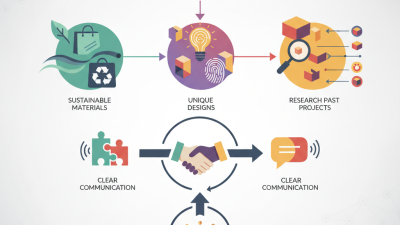
Choosing the right packaging agency can shape how customers experience your product before they open it. A strong partner does more than create attractive boxes. It studies your audience, product protection needs, brand personality, budget, and production timeline. The best packaging should look convincing on a retail shelf and survive real handling, shipping, and storage.
Look for an agency with proven experience in your product category. Ask to see physical samples, not only polished screen presentations. Examine the folds, printing accuracy, material strength, closures, and finishing details. A reliable packaging agency should explain why it recommends paperboard, corrugated materials, glass, flexible films, or other suitable options. It should also discuss manufacturing limits, sustainability claims, testing methods, and supplier communication in clear language.
Good communication matters.
Request a detailed process. Learn who manages revisions, prototypes, artwork checks, and production approvals. Ask how the agency handles unexpected color differences or delayed materials. These problems happen. Pretending otherwise is not professional.
Client references can reveal more than a portfolio. Speak with businesses that had similar packaging volumes and deadlines. Their experiences may expose weak follow-through or hidden costs. Still, no agency is perfect. A beautiful concept may become expensive during production. A low initial quote may exclude important testing or tooling. Reflect carefully before choosing.
The right partner combines creative judgment with technical discipline. It listens closely, challenges unclear decisions, and documents important details. Your final choice should support brand growth, product safety, customer trust, and consistent quality across every shipment.

Choosing the right packaging agency starts before the agency search. Define what the package must achieve. Is the priority protection, shelf impact, easier opening, lower cost, or all four? Rank these goals. A vague brief produces attractive ideas that fail during production. Be specific. Describe product dimensions, weight, fragility, expected shelf life, sales channels, and shipping conditions. Add the target launch date and working budget. If figures are uncertain, label them as estimates.
Your requirements should also cover materials and operations. State whether the pack needs recycled content, lightweighting, barrier protection, or tamper evidence. Ask how each claim will be measured. Request dielines, prototypes, drop tests, compression tests, and sample production runs where appropriate. Include filling equipment, sealing temperatures, warehouse stacking, and retailer handling. An experienced agency will ask difficult questions here. That is useful. They should explain trade-offs in plain language, not hide behind polished visuals. Check their documented process, technical references, and experience with similar constraints.
Leave room for learning. A first concept may look excellent but feel awkward in a real hand. Test opening, closing, pouring, labeling, and disposal with representative users. Record failures, even small ones. A bent corner or unreadable date can become an expensive problem. Teams often confuse essential requirements with preferences. We sometimes overstate sustainability goals without defining evidence, cost, or end-of-life conditions. That weakens the brief. Revise it after testing. Then compare agencies using scope, milestones, approvals, and ownership of final files.

Choosing a packaging agency requires more than reviewing attractive visuals. Industry experience should match your product, materials, production scale, and retail conditions. Smithers forecasts the global packaging market will exceed 1.2 trillion US dollars by 2028. This growth increases the need for agencies that understand design, sourcing, testing, and manufacturing constraints.
Ask agencies to show relevant work, not only polished concepts. Review how they handled shelf impact, opening experience, structural protection, and material reduction. Their services should cover strategy, packaging design, prototyping, artwork, supplier coordination, and production support. The World Economic Forum and Ellen MacArthur Foundation report that packaging represents about 40% of global plastic use. Therefore, practical sustainability expertise matters. Request evidence, such as material specifications, testing records, lifecycle assumptions, and measurable waste reductions. A confident claim without supporting data is a warning sign.
Tips: Interview the actual project team. Ask who will approve materials and solve factory issues. Confirm timelines with prototype stages, testing dates, and revision limits. Check whether the agency has worked with your target markets and packaging formats. Speak with two former clients if possible. Case studies can hide difficult details. I would also ask what went wrong on a previous project, because perfect stories rarely reveal real experience. A small pilot may be wiser than a full launch.
Compare agencies by the capabilities that most directly affect packaging project outcomes: technical expertise, service coverage, relevant industry experience, sustainability knowledge, and production support.
Use this five-point evaluation scorecard to structure agency reviews. Give the highest scores to agencies that can demonstrate relevant case experience, end-to-end services, material knowledge, and reliable production capabilities.
How to Choose the Right Packaging Agency?
A strong packaging agency balances creative thinking with production reality. Review its portfolio for clear design decisions, not only attractive photographs. Look for shelf impact, readable hierarchy, material choices, and consistent structural logic. A beautiful concept may fail during filling, transport, or retail display. No portfolio is perfect. That is worth remembering.
Technical capability should be tested with practical questions. Can the agency manage dielines, color control, prototypes, artwork files, and supplier communication? Ask for examples involving print variation, packaging compression, or material reduction. PwC’s 2024 Voice of the Consumer Survey found that consumers would pay an average 9.7% premium for sustainably produced goods. Therefore, agencies should connect visual appeal with measurable material efficiency. Smithers’ packaging market analysis also highlights recyclability, lightweighting, and fiber-based formats as major development areas. Claims still need evidence.
Tips: Request one physical prototype, one production-ready artwork file, and one post-launch review. Check whether the agency explains failures honestly. Ask how it measures performance after launch. A portfolio can hide weak process. Also, avoid choosing by presentation alone. The strongest partner explains trade-offs in plain language, documents technical decisions, and welcomes constructive challenge. I would also examine timelines carefully; creative speed sometimes creates expensive revisions later.
Choosing the right packaging agency starts with communication, not impressive visuals. Ask who will attend weekly calls, answer urgent questions, and document decisions. Request one sample project schedule. It should show research, concept approval, prototypes, testing, and production handoff. PMI’s Pulse of the Profession reports that poor project performance wastes 9.4% of investment. Clear communication can reduce that hidden cost.
Test the budget line by line. Separate strategy, design, copy, prototypes, testing, travel, and production support. Ask what triggers extra fees. A realistic agency should explain assumptions, not promise an attractive total without conditions. Smithers’ packaging market forecast expects the global sector to exceed 1.2 trillion dollars by 2028. Even small cost errors can multiply across large production runs. Contract terms deserve equal attention. Define revision rounds, milestone payments, approval deadlines, intellectual property ownership, cancellation rights, confidentiality, and rush charges. “Unlimited revisions” sounds helpful. It often needs tighter wording.
Tips: Ask for two client references with similar timelines. Put every approval in writing. Compare agencies using the same brief and scoring sheet. Check whether the proposed team has real packaging experience, not only presentation skills. A perfect forecast is impossible. I would still expect honest risks, visible dependencies, and a practical recovery plan when a sample fails or an approval arrives late.
| Agency Profile | Best Fit | Communication Model | Typical Response Time | Project Timeline | Typical Budget Range | Contract Terms to Review | Overall Fit |
|---|---|---|---|---|---|---|---|
| Independent Specialist | Small product launches, focused packaging updates, and projects requiring direct senior involvement. | Direct email Weekly video call One primary contact usually manages strategy, design, and approvals. | Usually within 1 business day during active project phases. | Approximately 4–8 weeks for one packaging concept through finalized artwork. | US$5,000–US$20,000 | Check revision limits, payment milestones, ownership of editable files, and availability after final delivery. | ★★★★☆ |
| Mid-Sized Packaging Studio | Growing brands that need structured strategy, several design routes, and coordinated supplier support. | Project manager Scheduled reviews Formal status updates are commonly provided weekly or at major approval gates. | Usually within 1–2 business days, depending on the project stage. | Approximately 8–16 weeks, including research, design development, testing, and production preparation. | US$20,000–US$75,000 | Confirm the number of concepts and revisions, testing responsibilities, change-order rates, production support, and cancellation terms. | ★★★★★ |
| Large Integrated Agency | Multi-market launches, portfolio-wide packaging systems, and projects requiring research, branding, and campaign integration. | Account lead Cross-functional team Communication may involve formal meetings, dashboards, approval documents, and multiple specialist teams. | Typically 1–3 business days; urgent requests may require a separate service agreement. | Approximately 12–30 weeks, depending on market research, stakeholder approvals, and the number of product lines. | US$75,000–US$250,000+ | Review minimum fees, procurement requirements, travel expenses, intellectual-property transfer, subcontracting, confidentiality, and termination rights. | ★★★★☆ |
| Production-Focused Partner | Packaging artwork adaptation, technical drawings, print specifications, and supplier or printer coordination. | Technical contact Approval tracker Communication is usually process-driven, with documented specifications and sign-off records. | Usually within 1 business day for production-critical issues. | Approximately 3–10 weeks after final design approval, depending on materials, tooling, and print schedules. | US$3,000–US$30,000 | Clarify prepress responsibilities, color-approval procedures, proofing costs, tooling ownership, quality tolerances, and liability for production errors. | ★★★☆☆ |
| Sustainable Packaging Consultant | Material reduction, recyclability assessments, alternative substrates, and packaging compliance planning. | Technical workshops Written reports Communication often includes supplier consultations, material documentation, and review meetings with operations teams. | Usually within 2–3 business days, with longer lead times for supplier or laboratory feedback. | Approximately 6–18 weeks, depending on material trials, testing, and regional compliance requirements. | US$10,000–US$60,000 | Check the scope of testing, evidence required for environmental claims, regulatory responsibility, report ownership, and the treatment of third-party costs. | ★★★★☆ |
| Budget and timeline ranges are typical planning benchmarks for packaging projects and can vary according to product complexity, number of markets, material selection, testing requirements, production volume, and approval speed. Before signing, request a written scope that defines deliverables, milestones, revision rounds, fees, intellectual-property ownership, confidentiality, and termination conditions. | |||||||
How to Choose the Right Packaging Agency?
Select the Agency That Best Fits Your Long-Term Packaging Strategy
Choosing a packaging agency should begin with your three-year business direction, not a polished sample box. Ask how the team studies product protection, material availability, production capacity, and end-of-life recovery. Smithers forecasts the global packaging market will exceed 1 trillion dollars by 2028. That scale creates opportunity, but it also increases material, cost, and compliance risks.
Look for practical experience across design, engineering, testing, and supplier coordination. Request evidence from projects with similar formats, shipping conditions, and production volumes. A capable agency should explain why a structure works, not only display attractive visuals. It should also measure results, such as material reduction, transit damage, filling speed, and consumer usability. The Sustainable Packaging Coalition reports that clear disposal instructions remain important because recycling systems vary widely by location.
Your agency must fit your working culture. Set review stages, decision owners, technical requirements, and budget limits before creative development begins. Ask whether the team can revise concepts after factory trials. The first proposal is rarely perfect. Sometimes, the “sustainable” option performs poorly during transport or needs unavailable infrastructure. That deserves honest discussion.
McKinsey’s packaging research shows that consumers increasingly value sustainability, while still expecting convenience and product protection. Therefore, select partners who can balance environmental goals with commercial reality. Review their measurement methods, documentation, and willingness to challenge your assumptions. Long-term trust matters more than one impressive presentation.