Choosing a top corporate design agency in China requires more than comparing polished websites. A strong partner must understand brand strategy, local business culture, typography, digital behavior, and international expectations. In practice, the difference appears in small details: a bilingual presentation that reads naturally, packaging that survives transport, or a logo that remains clear on a factory sign. These details reveal whether an agency has real experience or simply impressive case studies. Look for evidence from comparable industries, measurable outcomes, and direct client references. Ask who completed the work. Agency awards matter, but they should not replace process transparency, research, and dependable communication. A beautiful portfolio can still hide weak project management.
This guide examines how to evaluate a China corporate design agency through a practical, evidence-based lens. It considers discovery workshops, creative strategy, cultural insight, revision systems, ownership terms, timelines, and post-launch support. Reliable agencies explain decisions instead of presenting personal taste as expertise. They also identify risks early, including unclear approval roles, inconsistent translations, and unrealistic launch dates. Speak with the actual design team. Request a detailed proposal. Test their questions before judging their answers. No agency is perfect. Our evaluation framework may overlook regional differences, and every brand has different priorities. That limitation matters. The best choice is not always the largest studio or the cheapest option. It is the partner that combines relevant experience, accountable specialists, and a clear method for turning business goals into consistent visual assets across China and global markets.

Choosing a China top corporate design agency starts with a precise brief, not a visual mood board. Define the business problem, target markets, decision makers, and measurable outcomes. Brand strategy should connect market research with positioning, proof points, and a practical tone of voice. Naming requires linguistic screening, cultural testing, domain checks, and trademark research. WIPO reported 11.6 million trademark applications worldwide in 2023, showing why early clearance matters.
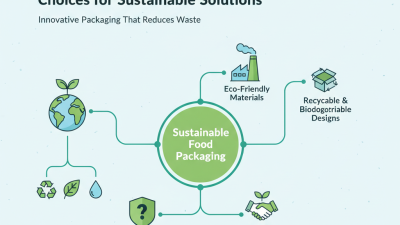
Make the identity system usable beyond a presentation deck. Specify logo rules, type hierarchy, color references, photography direction, and templates for sales teams. Packaging needs equal discipline: shelf distance, material limits, opening behavior, and information order should be tested with real users. McKinsey’s sustainable packaging research found that consumers often value recyclable materials, but preferences vary by market and product category. Data helps; assumptions still slip in.
UX should join the brief from the beginning. Map the customer journey, Chinese-language content needs, mobile behavior, and service handoffs. Baymard Institute reports an average online cart abandonment rate near 70%, so small interface failures can become expensive. Ask the agency to show research notes, prototype evidence, and revisions, not only polished screens. I have seen elegant systems fail because nobody owned the naming decision. That uncomfortable gap deserves a named owner, a review date, and permission to change direction.
| Brief Dimension | Primary Objective | Expected Deliverables | Evaluation Questions for Agencies | Evidence to Request | Recommended Weight |
|---|---|---|---|---|---|
| 1. Business and Market Context | Ensure the design program is connected to commercial goals, target audiences, market conditions, and the China operating environment. |
Business challenge definition; audience and stakeholder map; competitor and category review; market-entry assumptions; project success criteria. |
Can the agency distinguish business problems from visual symptoms? How will local consumer behavior, channels, culture, and regulations be considered? |
A documented discovery process, research plan, interview structure, and clearly defined success metrics. The brief should identify assumptions that require validation rather than presenting them as facts. | 15% |
| 2. Brand Strategy | Build a clear strategic foundation that guides decisions across brand expression, communications, products, and customer experience. |
Brand audit; positioning statement; purpose, vision, and values; audience segmentation; value proposition; brand architecture recommendation; messaging framework. |
Is the strategy specific enough to guide design and communication? Does it explain how the brand can be differentiated and consistently understood? |
A strategic rationale linking research findings to positioning choices, decision criteria, and a practical messaging hierarchy. Avoid accepting generic statements that could apply to any organization. | 20% |
| 3. Naming and Verbal Identity | Create a distinctive, usable, and scalable naming system while reducing linguistic, cultural, and legal risks. |
Naming brief; naming territories; candidate names; Chinese and English language assessment; pronunciation and meaning review; preliminary trademark screening; tone-of-voice principles. |
How are names tested for meaning, pronunciation, memorability, and cultural interpretation? What is included in preliminary screening, and what requires qualified legal counsel? |
A documented naming methodology, linguistic review process, domain availability check where relevant, and written clarification that agency screening is not a substitute for formal trademark clearance. | 10% |
| 4. Visual Identity | Develop a recognizable identity system that remains consistent across physical, digital, internal, and partner touchpoints. |
Logo or symbol system; color palette; typography system; imagery and iconography; layout principles; motion or digital behavior where relevant; brand guidelines. |
Can the system work at different sizes, in monochrome, on digital screens, and in production environments? Are the rules flexible enough for teams to use without constant agency support? |
Realistic application examples, master artwork files, file-format specifications, accessibility considerations, usage rules, and a governance plan for future adaptations. | 20% |
| 5. Packaging and Physical Experience | Translate the identity into packaging that is clear, manufacturable, compliant, and effective at the point of sale or use. |
Packaging architecture; front-of-pack hierarchy; structural or format recommendations; material and finishing guidance; production artwork; shelf or usage mock-ups; packaging guidelines. |
Does the agency understand dielines, print limitations, color management, minimum text sizes, material constraints, and production costs? How will mandatory information be protected during redesign? |
Production-ready artwork examples, printer or supplier collaboration experience, prepress quality-control steps, and a compliance review workflow adapted to the product category and sales market. | 15% |
| 6. Digital Product and UX | Make websites, platforms, or digital services easy to understand, navigate, and use across relevant devices and user needs. |
User flows; information architecture; wireframes; interface design; design system; responsive layouts; usability testing plan; developer handoff documentation. |
Does the agency involve users before final visual design? How are accessibility, responsive behavior, performance, content structure, and technical constraints addressed? |
Research summaries, tested prototypes, usability findings, design-system documentation, WCAG 2.2-related accessibility considerations, and clearly annotated handoff files. | 15% |
| 7. Integrated System and Governance | Ensure that strategy, naming, identity, packaging, and UX work as one coherent system rather than as disconnected outputs. |
Cross-channel design principles; master brand guidelines; templates and toolkits; approval workflow; localization rules; training or rollout materials. |
How will the agency prevent inconsistency between physical, digital, Chinese-language, English-language, and partner-created communications? | A governance model defining ownership, approval rights, asset management, localization responsibilities, version control, and training for internal or external users. | 10% |
| 8. Team and Collaboration Model | Confirm that the proposed team has the relevant expertise, decision access, language capability, and capacity to deliver the work. |
Named project team; role descriptions; availability plan; senior oversight model; specialist partners; communication and meeting cadence. |
Who will do the actual work? Which specialists are in-house or external? How are decisions escalated when strategy, design, production, or technology conflicts arise? |
Resumes or portfolios for proposed team members, a responsibility matrix, realistic capacity confirmation, and clear language and time-zone arrangements. | 5% |
| 9. Process, Timeline, and Risk Control | Create a transparent path from discovery to launch while identifying dependencies, review points, and production risks early. |
Phase plan; milestones and dependencies; review rounds; decision gates; risk register; testing and launch checklist. |
What must be approved before the next phase begins? How are scope changes, delayed feedback, regulatory issues, and supplier constraints managed? |
A phase-based schedule with assumptions, client responsibilities, acceptance criteria, revision limits, contingency planning, and a documented change-control process. | 5% |
| 10. Commercial Terms and Intellectual Property | Make the engagement financially transparent and ensure the client receives the rights and files required for ongoing use. |
Fee proposal by phase; expense assumptions; payment schedule; revision terms; licensing conditions; intellectual-property transfer terms; source-file delivery list. |
Are strategy, design, fonts, photography, illustrations, software, production support, and localization priced separately? What rights are transferred, when, and for which territories and media? |
An itemized proposal, written assumptions, third-party license schedule, ownership terms, confidentiality provisions, and a final asset inventory. | 5% |
|
Practical scoring method:
Score each dimension from 1 to 5, multiply the score by the recommended weight, and compare agencies against the same brief. Require evidence for every high-weight category; a polished portfolio alone is not sufficient proof of strategic, production, legal, or technical capability.
Strategy-led China-ready Production-aware Accessible UX Transparent scope |
|||||