How to Choose the Best Fitness Spin Bike?
Choosing the best Fitness Spin Bike requires more than comparing prices or flywheel weights. A reliable choice should match your training goals, available space, body dimensions, and budget. A bike for short interval sessions may need different features from one used for daily endurance rides. The right frame should feel stable when you stand on the pedals. It should not rock across a hard floor.
Comfort matters quickly. Check whether the saddle moves vertically and horizontally. Confirm that the handlebars offer enough reach adjustment. During a test ride, your knees should remain slightly bent at the lowest pedal position. Your hips should not shift from side to side. Small fitting problems can become painful after several weeks.
Resistance systems deserve careful attention. Magnetic resistance usually runs quietly and requires less maintenance than friction pads. However, smooth resistance does not guarantee a better workout. The control should respond predictably, especially during fast intervals. Look for a secure pedal design, a strong crankset, and a clear warranty. These details often reveal how seriously a manufacturer supports long-term use.
Do not chase every feature.
A screen, app connection, or performance metric can be useful, but none replaces sound construction. It is tempting to believe that a heavier flywheel always feels superior. That assumption is incomplete. Gear ratios, resistance control, and rider fit also shape the experience. Reviews from verified owners can expose noise, loose parts, or difficult assembly. Even expert recommendations need personal testing. The best Fitness Spin Bike is not the most impressive model on paper. It is the one that remains comfortable, stable, and dependable during ordinary workouts.
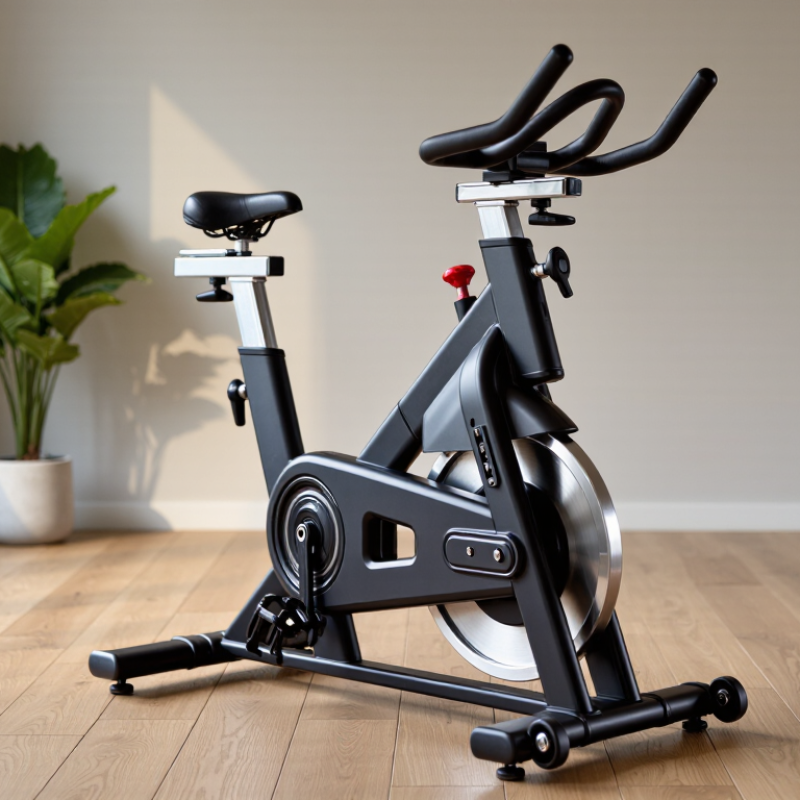
Understanding the Key Features of a Fitness Spin Bike
A fitness spin bike should fit your body before it impresses your eyes. Measure your inseam and compare it with the adjustment range. The seat should move vertically and horizontally. Handlebars should reach comfortably without forcing your shoulders forward. During a test ride, your knee should remain slightly bent at the lowest pedal position. That small check matters.
Resistance control strongly affects training quality. Magnetic resistance usually feels quiet and changes smoothly. Friction resistance can feel direct, but its pads may require replacement. The flywheel influences momentum, yet a heavier wheel is not automatically better. Look for steady pedaling, responsive adjustments, and secure pedals. Toe cages or compatible cycling shoes can improve control during faster intervals.
I once tested a bike with an impressive screen but poor adjustment range. After ten minutes, my wrists felt strained. That experience changed my checklist. I now inspect frame stability, handlebar grip, and emergency stopping controls. A stable frame should not rock when you stand and pedal. The display should show useful data, such as time, cadence, resistance, and distance. Heart-rate readings can be helpful, but they are not always precise. Check the maximum user weight, assembly instructions, noise level, and maintenance requirements. Leave room for honest doubt. A feature sounds valuable only when it improves your actual ride.
Assessing Bike Fit, Adjustability, and Riding Comfort
A good spin bike should fit your body before it challenges your stamina. Set the saddle near hip height while standing beside the bike. When pedaling, your knee should remain slightly bent at the lowest point. A knee that locks feels harsh. A knee that stays deeply bent can create pressure around the joint.
Handlebar adjustment matters just as much. Your shoulders should stay relaxed, not lifted toward your ears. Beginners often prefer handlebars slightly higher and closer. This position reduces strain on the lower back. Taller riders may need more reach, but comfort should guide the final setting.
I once adjusted a bike too aggressively, assuming a longer reach would improve posture. It only made my wrists ache after twenty minutes.
Tips:
Test every adjustment before buying. Move the saddle forward, backward, up, and down. Check whether the locking mechanisms feel secure. Sit for at least ten minutes, then pedal at different speeds. Notice pressure under your feet, rubbing near the hips, and tension in your neck. Small details matter. A padded seat may feel comfortable briefly, yet excessive softness can cause instability. Firm support often works better, though personal anatomy changes the answer. Record your preferred settings, because remembering them later is surprisingly difficult.
Comparing Resistance Systems, Flywheel Weight, and Stability
Choosing a fitness spin bike starts with resistance, not appearance. Test how quickly the load changes under your hand. Magnetic systems usually feel quiet and progressive, which suits shared rooms and structured intervals. Friction systems can provide a familiar, immediate feel, but pads may wear and need adjustment. During a hard effort, resistance should rise without sudden jumps. That detail protects rhythm and confidence.
Flywheel weight matters, but it is not a quality score. A heavier wheel can smooth the pedal stroke, especially at low cadence. Not always. Gearing, crank design, and resistance control also shape that sensation. I once chose a bike for its impressive flywheel alone. It felt stable, but acceleration was slower than expected. I missed that once. Now, I ride at several cadences and briefly stop pushing. Notice whether the pedals continue naturally or feel forced.
Stability should be judged through contact points, not advertised weight. A wide base, firm frame, and adjustable levelers reduce rocking. Check the handlebar and seat for movement before increasing intensity. The bike should fit your body without forcing rounded shoulders or locked knees. Place it on a hard, level surface when possible. Soft carpet can hide unwanted movement. A clear display is useful, but it cannot correct poor mechanics. If possible, test the bike for twenty minutes, not two. Short showroom rides can flatter almost any machine.
Evaluating Technology, Safety Features, and Maintenance Needs
Choosing a fitness spin bike requires more than comparing screen size or resistance levels. Technology should support training, not distract from it. A clear display should show cadence, time, resistance, distance, and heart rate without complicated menus. Bluetooth connectivity can improve workout tracking, but it is not essential for every rider. Test the controls while pedaling. They should feel simple and responsive.
Safety deserves close attention. A stable frame should remain steady during standing climbs, even on a hard floor. Check the handlebar and seat adjustments carefully. Loose locking knobs can create uncomfortable movement and possible injury. Look for fully covered moving parts, secure foot straps, and an emergency resistance release. The pedals should turn smoothly. Small details matter.
Maintenance needs are easy to underestimate. After each session, wipe sweat from the frame, handlebars, and adjustment posts. Sweat can slowly damage metal and upholstery. Inspect bolts, pedals, and the drive system every few weeks. Unusual clicking deserves attention, not optimism. I would also check the leveling feet before intense workouts. A bike may appear solid but still rock slightly. My imperfect habit is focusing on performance settings before checking basic hardware. That order should change. A quiet, well-adjusted bike usually provides a safer and more consistent ride.
Matching the Spin Bike to Your Fitness Goals and Budget
How to Choose the Best Fitness Spin Bike?
Matching the bike to your fitness goal matters more than choosing the most expensive model. For short home workouts, a basic bike with adjustable resistance may be enough. Endurance riders should look for a smooth flywheel, stable frame, and clear performance measurements. If you plan interval training, quick resistance changes can make each session more practical.
Your budget should include more than the purchase price. Check adjustment options, pedal compatibility, screen quality, maintenance needs, and delivery costs. A comfortable seat and adjustable handlebars can prevent poor posture during longer rides. I once used a bike with limited adjustment and noticed knee discomfort after several sessions. It looked suitable, but the fit was wrong. That mistake changed how I compare equipment.
Tips: Test the riding position if possible. Your knee should remain slightly bent at the lowest pedal point. Set a realistic spending limit before browsing. Leave room for a mat, shoes, or basic maintenance. Also, do not trust impressive numbers alone. A high resistance range means little if the frame shakes during standing climbs. Read user feedback carefully, but remember that comfort is personal. A quieter bike may suit an apartment, while a heavier frame can feel safer during powerful efforts. Consider how often you will ride, not just how motivated you feel today.
How to Choose the Best Fitness Spin Bike?
Match the bike’s features and price level to your weekly cycling goal. The chart uses practical weekly training targets to show which type of spin bike may offer the best value.
For occasional health rides, a basic bike with adjustable resistance is usually sufficient. Riders training for weight management or endurance may benefit from stronger frames, smoother resistance control, and more adjustment options. Performance-focused users should prioritize accurate cadence tracking, stable construction, and compatibility with structured workouts. These weekly targets are general planning guidelines and should be adjusted to your fitness level.
