What Is Biogas Purification and How Does It Work?
Biogas is produced when microorganisms break down organic material in oxygen-free conditions. The gas collected above a digester is useful, but it is rarely ready for every application. It may contain methane and carbon dioxide, along with water vapor, hydrogen sulfide, and traces of other compounds. The exact mix depends on the feedstock and the plant. That variation matters.
Bio Gas Purification is the process of removing or reducing unwanted components so the gas can meet the needs of its intended use. For a boiler, basic drying and contaminant control may be enough. For vehicle fuel or injection into a gas network, operators usually need to separate much more carbon dioxide and verify the finished gas against applicable specifications. The target sets the treatment.
How does the process work? Systems often cool the gas to condense moisture, then use filters or adsorbent media to reduce contaminants such as hydrogen sulfide. To increase methane concentration, facilities may use water scrubbing, membranes, pressure-swing adsorption, or chemical absorption. Each method has different energy demands, maintenance needs, and performance limits. There is no universal best choice.
Small details count. A clogged filter or exhausted carbon bed can affect gas quality, so monitoring and scheduled replacement are essential. Operators typically check flow, pressure, moisture, and contaminant levels. Results should be verified with appropriate instruments, not assumed from a steady flame or a familiar odor. The picture is not always tidy; feedstock changes can shift gas composition, and treatment settings may need adjustment. Understanding those limits is part of choosing a reliable purification system.
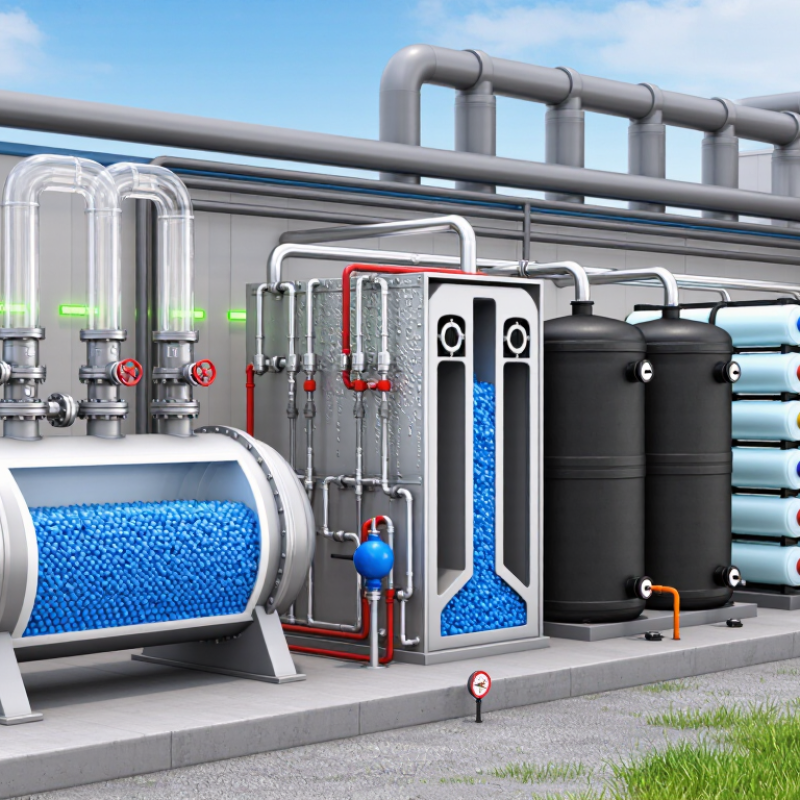
What Biogas Purification Is and Why It Matters
Biogas purification removes unwanted compounds so raw gas can serve a useful, dependable purpose. Fresh from a digester, it can contain carbon dioxide, water vapor, hydrogen sulfide, and trace contaminants. Their levels vary with feedstock and operating conditions. Purification may dry the gas, reduce corrosive hydrogen sulfide, and remove carbon dioxide when higher methane content is needed. The exact treatment depends on its destination. A boiler may need less processing than gas intended for a pipeline.
The stakes are practical. Moisture and hydrogen sulfide can corrode pipes and equipment, while carbon dioxide lowers the gas’s energy per unit volume. The International Energy Agency’s Outlook for Biogas and Biomethane (2020) estimates sustainable global production potential could reach about 1,000 billion cubic metres annually by 2040—roughly one-fifth of today’s natural gas demand. That potential depends on reliable upgrading and careful control, not just installing a purifier. Small details matter. Operators need to monitor gas quality because feedstock changes can shift contaminant levels. The European Biogas Association’s Statistical Report 2023 records 4.9 billion cubic metres of biomethane production in Europe in 2022, showing that upgraded gas is already entering energy systems at meaningful scale. Still, purification has trade-offs: energy use, maintenance, and contaminant handling all affect performance. A polished gas reading is not the whole story. Source: IEA, Outlook for Biogas and Biomethane (2020); European Biogas Association, Statistical Report 2023.
What Raw Biogas Contains
Raw biogas is a mixture, not pure methane. It usually contains about 45–70% methane and 30–50% carbon dioxide, though feedstock and operating conditions shift those levels. Methane carries most of the fuel value. Carbon dioxide does not burn, so it lowers the gas’s energy content.
The gas also leaves a digester carrying water vapor. As it cools in a pipe, that moisture can condense into droplets. Hydrogen sulfide may be present too, sometimes in enough quantity to corrode metal equipment. It varies. Smaller amounts of ammonia and other trace compounds can also occur. Siloxanes are more common in some landfill and wastewater gases; combustion can turn them into hard silica deposits.
Nitrogen and oxygen may appear when air enters the system, while the exact mix depends on the source material and collection method. A food-waste digester and a landfill do not produce identical gas. No sample is perfectly typical. A single published range can make the composition look more predictable than it is. For practical assessment, operators analyze a representative gas sample rather than relying on appearance or smell; some contaminants have no reliable warning by smell.
How Biogas Purification Removes Unwanted Substances
Biogas purification removes compounds that can corrode equipment, reduce fuel quality, or create deposits during combustion. Raw gas commonly contains water vapor, carbon dioxide, hydrogen sulfide, and small amounts of other contaminants. The exact mix depends on the feedstock and digester conditions. A clear gas stream is not necessarily a clean one.
Moisture is often reduced by cooling the gas so water condenses, then collecting it in drains or separators. Hydrogen sulfide may be captured in iron-based media, activated carbon, or biological treatment systems. Each option has different operating needs. Spent media and condensate also require careful handling. Small details matter.
Carbon dioxide removal can raise methane concentration for uses that need upgraded gas. Water or chemical scrubbing, membranes, and pressure-swing adsorption separate gases in different ways. Siloxanes and fine particles may need additional filters, especially where gas will power engines.
Operators check gas composition and pressure because a filter’s performance can change as it loads. Purification is rarely one fixed recipe; testing the incoming gas helps determine which steps are useful. It is easy to focus on the main contaminants and overlook trace compounds, so routine monitoring remains important.
The Main Technologies Used to Purify Biogas
Raw biogas is not ready for a pipeline or vehicle fuel system. IEA Bioenergy Task 37 guidance describes typical biogas as containing roughly 50–70% methane, with carbon dioxide and smaller amounts of water vapor and hydrogen sulfide. Purification removes these impurities to meet the needs of the final use.
Water scrubbing uses pressurized water to absorb carbon dioxide and some hydrogen sulfide. Pressure swing adsorption separates gases using adsorbent beds that capture carbon dioxide under pressure. Membrane systems push biogas through selective barriers; repeated stages can raise methane purity while limiting methane loss. Amine scrubbing uses a chemical solvent that binds carbon dioxide, then releases it when heated. Each method has trade-offs in energy use, water demand, maintenance, and gas quality. No universal winner.
The European Biogas Association’s 2024 Statistical Report counted 1,548 biomethane plants in Europe by the end of 2023, reflecting the growing use of upgrading equipment. Before upgrading, operators commonly remove moisture and hydrogen sulfide to protect compressors, solvents, and membranes. A plant’s best process depends on feed-gas composition, local energy prices, and the required methane specification. The neat process diagram can mislead: real gas quality changes, and pretreatment needs attention.
What Is Biogas Purification and How Does It Work?
Representative biogas composition before and after upgrading (vol%). Values are illustrative; actual composition varies by feedstock and process.
How purification works: Upgrading separates carbon dioxide from methane, while pretreatment removes water, hydrogen sulfide, and other trace contaminants. Common methods include water scrubbing, membrane separation, pressure swing adsorption, and amine absorption. The resulting biomethane can reach about 97% methane, depending on the process and product specification.
How Purified Biogas Is Prepared for Its Intended Use
Purified biogas is not simply raw gas with its smell removed. Raw digester gas contains methane and carbon dioxide, plus moisture and trace contaminants. Operators remove hydrogen sulfide, water, and, where needed, siloxanes before separating much of the carbon dioxide. This protects pipes and engines from corrosion or deposits. A cold sample line can still collect water, so operators monitor dew point as well as methane concentration. Small details matter. The IEA’s Renewables 2023 report estimated global biomethane production at about 7 billion cubic metres in 2022, showing why reliable upgrading is increasingly important.
The intended use determines the final treatment. Gas sent to a network is checked against that network’s limits for composition, pressure, and moisture. Fuel for vehicles is upgraded and compressed; gas used in combined heat and power equipment may need different conditioning. Operators test the finished gas, rather than assuming one purification recipe fits every site. The European Biogas Association’s 2023 Statistical Report recorded 4.2 billion cubic metres of biomethane production in Europe in 2022. Yet methane percentage alone is an incomplete measure of readiness. A plant can meet that target and still need better contaminant control or pressure management. Fit matters. I would treat each outlet’s specifications as the starting point, not an afterthought.
