
In 2026, Personalized Shipping Boxes do more than carry products from a warehouse to a doorstep. They can introduce a brand, protect an order, and make the opening moment feel considered. The top options balance those jobs without adding needless packaging or making routine packing harder. A sturdy corrugated box may suit heavier goods, while a slim mailer can work for soft, lightweight items. The right choice depends on the product, shipping distance, and how customers receive it.
Details matter. Print quality, box dimensions, closure style, and interior protection all shape the result. A simple logo and a clear color palette can look polished; intricate designs may increase cost or complicate reorders. Recycled or recyclable materials are worth comparing, but claims should be checked against supplier specifications and local disposal guidance. No single box fits every order. That is easy to overlook.
This guide explores leading personalized box styles and the practical trade-offs behind them. It considers branding, durability, customization, material choices, and ordering needs, rather than treating appearance as the only measure. You will also find questions to ask suppliers, such as whether prototypes are available and how print colors may vary between screens and finished packaging. The best choice is not always the most elaborate one. It is the box that arrives intact, represents the business honestly, and works reliably for the people who pack and receive it.
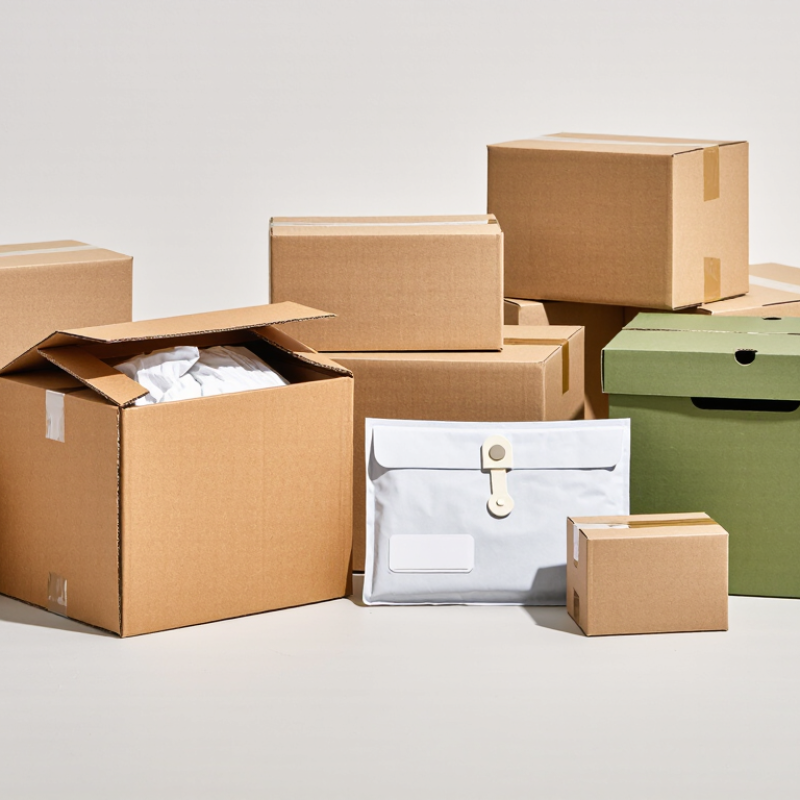
Personalized shipping boxes combine a practical container with design chosen for a specific business or shipment. Customization can include a printed logo, colors, product instructions, or a message inside the lid. The box still needs to protect its contents. A striking design cannot compensate for weak sizing or poor cushioning.
The process usually starts with the product’s dimensions, weight, and shipping conditions. A packaging specialist can recommend a box style and material, then prepare a proof showing how the artwork fits. After approval, the box is produced and used for packing and delivery. In 2026, useful options include recyclable corrugated boxes, simple one-color printing, and interior designs that make unpacking feel considered. Test samples before ordering in volume. A small mismatch can create unnecessary movement in transit. Honestly, print colors may also look different on cardboard than on a bright screen.
Tips: Measure the packed product, not just the item. Leave room for protective material, and check that seals close cleanly. Ask for a physical sample when color or fit is important. A little extra planning helps; it is easy to overlook.
Example box formats compared by exterior surface area—the maximum theoretical area available for personalized printing.
How personalization works: A design is printed or applied to the box’s exterior. Larger boxes offer more total surface area, although seams, folds, and shipping labels can reduce the space available for artwork. Measurements shown are illustrative examples, not a ranking of market popularity.
The best box depends on the item, its journey, and how it will be packed. Standard corrugated boxes suit heavier goods and mixed orders. Lightweight paperboard mailers work for apparel and other non-fragile items. Rigid mailers protect flat prints, documents, and small books from bending. Add a simple logo or packing instruction, but keep print away from labels and barcode areas. Fit matters.
For fragile products, choose a snug corrugated box with cushioning and little empty space. Double-wall construction can help when parcels are heavy or face rough handling, though it adds material and shipping weight.
The U.S. Environmental Protection Agency’s 2018 materials report estimated that 96.5% of corrugated boxes were recycled. That makes corrugated a practical option where local collection accepts it.
Paper mailers may work for soft goods, but they are a poor match for items that crush easily or need moisture protection. Even a carefully chosen box can fail if the item shifts inside.
Tips: Measure the packed item, not just the product. Test a sample by packing it as usual and checking for movement. Review local recycling guidance before adding coatings or mixed materials.
A personalized shipping box starts with a clear purpose: protect the product and make opening it feel thoughtful. Custom printing can carry a simple logo, a short welcome, or a pattern that reflects the item inside. A small message beneath the lid may feel more personal than covering every surface with ink. Less can be memorable.
Design choices also affect the unboxing experience. A warm color, readable type, and a neat line drawing can make a plain corrugated box feel considered. For example, a tea seller might print brewing instructions beside a small cup illustration. A maker shipping candles could use a restrained scent name and a delicate botanical motif. The details should still leave room for shipping labels and handling marks. Practicality matters.
Personalization does not require elaborate artwork. One ink color, a custom insert, or a printed tape pattern may be enough for a consistent look. Check how colors appear on the actual box material, since brown kraft board can mute pale tones. It is easy to overdesign a package while overlooking how it will be packed, stacked, and carried. That is worth reconsidering. A good design feels distinctive, but it should remain legible, sturdy, and easy to assemble.
In 2026, evaluating personalized shipping boxes starts with the item they must protect. A top option should fit the product snugly, with enough room for padding but little excess space. Measure the packed item, not just the product. Check box strength, closure style, and how well the printed design holds up after handling. Ask for material details and a sample before placing a large order.
Tips: Request a printed sample and pack it as you would for shipping. Check the corners, seams, and print after a short drop test. Small details matter.
Compare quotes by total cost, including setup, printing, and delivery—not only the price per box. Review minimum order quantities and expected production times, since these can affect budgets and launch plans. Consider whether the design remains clear in a single-color print, and whether the box can be recycled where your customers live. Claims about durability or sustainability should be specific and verifiable. One sample cannot predict every delivery, but it can reveal awkward folds or a logo that disappears near a seam. That is useful, even if it means revising the design.
| Box Type | Typical Construction | Best Suited For | Personalization Options | Evaluation Checks | Main Trade-Off |
|---|---|---|---|---|---|
| Custom Corrugated Mailer | Die-cut corrugated board with folding panels and integral closure tabs; commonly made with single-wall board. | Apparel, books, accessories, and other relatively compact products that need a neat, self-contained pack. | Printed exterior or interior, custom dimensions, and die-cut inserts or compartments. | Check assembled internal dimensions, closure security, board strength, and whether the product needs extra cushioning. | Custom die-cutting can increase setup requirements compared with standard box styles. |
| Custom Regular Slotted Carton | Corrugated box with four top and bottom flaps that meet at the center; often used for general shipping. | Regularly shaped goods, multi-item orders, and shipments where a familiar, easy-to-pack format is useful. | Printed panels, custom sizing, and optional dividers or protective inserts. | Measure the packed product, allow room for cushioning, and confirm the board grade is appropriate for the shipment’s weight and handling. | Usually needs separate tape or another closure method; printing coverage and appearance depend on the chosen board and print process. |
| Custom Double-Wall Corrugated Box | Two corrugated medium layers between three linerboards; flute combinations and strength grades vary. | Heavier, fragile, or higher-risk shipments that need more structural support than a comparable single-wall box. | Printed exterior, custom dimensions, and tailored internal partitions. | Request the board’s verified performance specification, such as edge crush test (ECT) or burst strength, and check it against the product and shipping conditions. | Typically uses more material and adds weight and bulk compared with single-wall construction. |
| Custom Full-Overlap Carton | Slotted carton style with outer flaps that fully overlap when closed, adding an extra layer of board across the top and bottom. | Long or flat products and shipments where added coverage over the top and bottom is useful. | Printed panels, made-to-measure dimensions, and optional internal supports. | Check flap overlap, box dimensions after assembly, closure method, and whether the added board is necessary for the product. | Uses more board than a standard regular slotted carton and may take longer to assemble. |
| Custom Folding Carton for Outer Shipping | Foldable paperboard carton; often lighter than corrugated board and generally needs a suitable outer protective package for parcel shipping. | Lightweight products that need a polished presentation inside a separate shipping box or mailer. | Detailed graphics, custom dimensions, and product-specific internal fit. | Confirm whether the carton is intended as the shipping container or only as inner packaging; test the complete packed shipment. | Presentation can be strong, but paperboard alone may not provide enough protection for many parcel shipments. |
| Custom Corrugated Box with Inserts | Corrugated outer box paired with a fitted corrugated, paperboard, or other compatible insert. | Breakable, delicate, or multi-part products that need separation or reduced movement during transit. | Printed box surfaces, fitted compartments, and product-shaped protective layouts. | Check that each item is restrained, inserts are easy to pack, and the packed box withstands handling tests appropriate to the shipment. | Improved organization and protection can add material, packing time, and design complexity. |
| How to evaluate: Compare the box’s internal dimensions, construction and verified strength specification, protection needs, print requirements, packing time, and total packed shipping weight. Corrugated board performance varies by grade and supplier; confirm specifications and test the final packed configuration. These are common packaging formats, not a sales ranking. | |||||
Personalized shipping boxes serve different jobs across industries. Beauty sellers use compact cartons with printed shade guides and molded inserts to protect glass bottles. Apparel companies add seasonal artwork or return instructions inside the lid. Subscription businesses use recurring designs to make monthly deliveries feel less routine. For electronics, snug partitions and clear setup details reduce rattling and confusion. Food producers may use insulated liners, but printed boxes alone cannot control temperature. Small details matter.
The U.S. Census Bureau’s 2024 annual estimate put American retail e-commerce sales at $1.1926 trillion, or 16.1% of total retail sales. UNCTAD’s 2024 Digital Economy Report put e-commerce sales across 43 economies at nearly $27 trillion in 2022, much of it business-to-business. These figures measure commerce, not custom-box demand. Still, they show why packaging must travel well through many fulfilment settings. A practical design starts with product dimensions, transit risks, and packing speed. A cosmetics carton needs a different insert from a shoe box. There is a trade-off: vivid printing can aid recognition, yet excess ink and oversized packaging add cost and material. Customization is not magic. Test a real packed order before scaling; a beautiful mock-up can still arrive crushed.